
Introduction
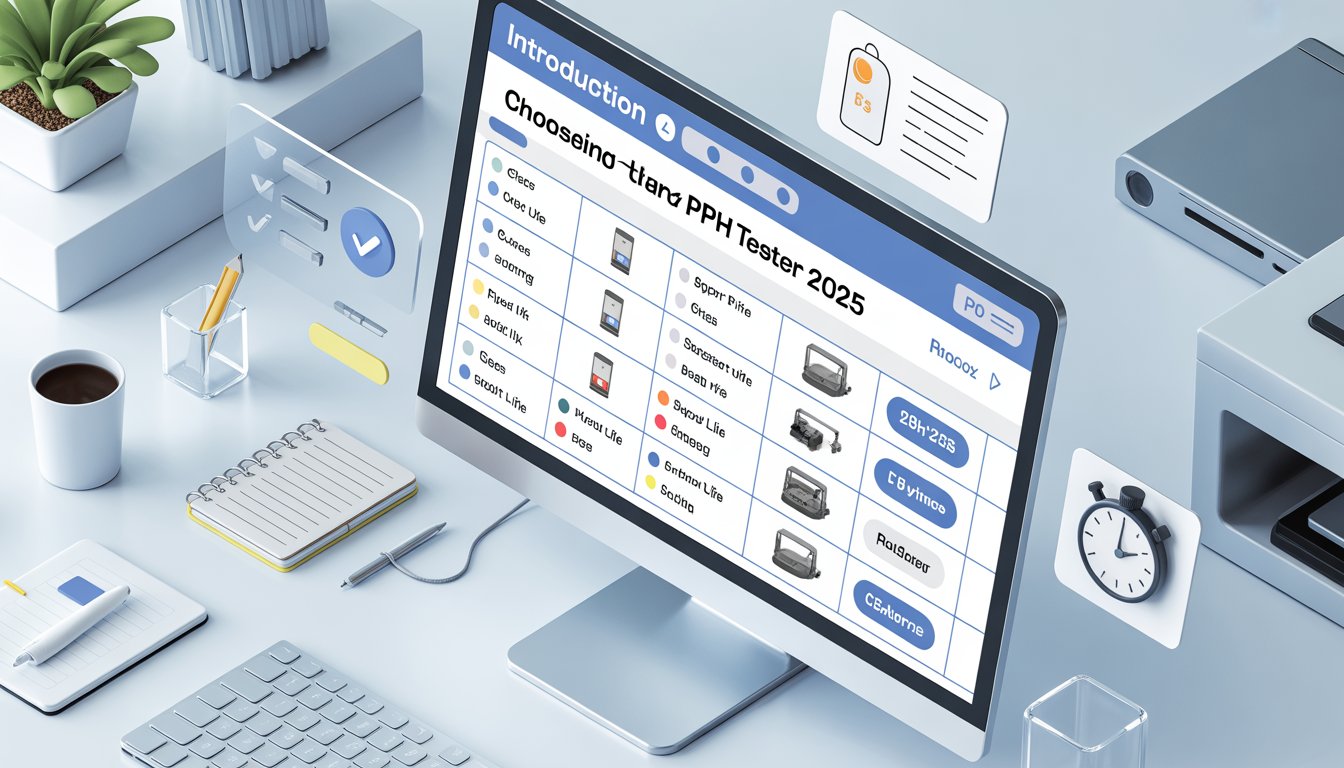
Choosing the right pH tester in 2025 can be quick when you follow a simple, step-by-step approach. On desktop, you can compare specs, support options, and prices side-by-side to save time. If you want a fast start, explore a trusted ph tester and use the guidance below to match features to your job.
Introduction to pH Meters
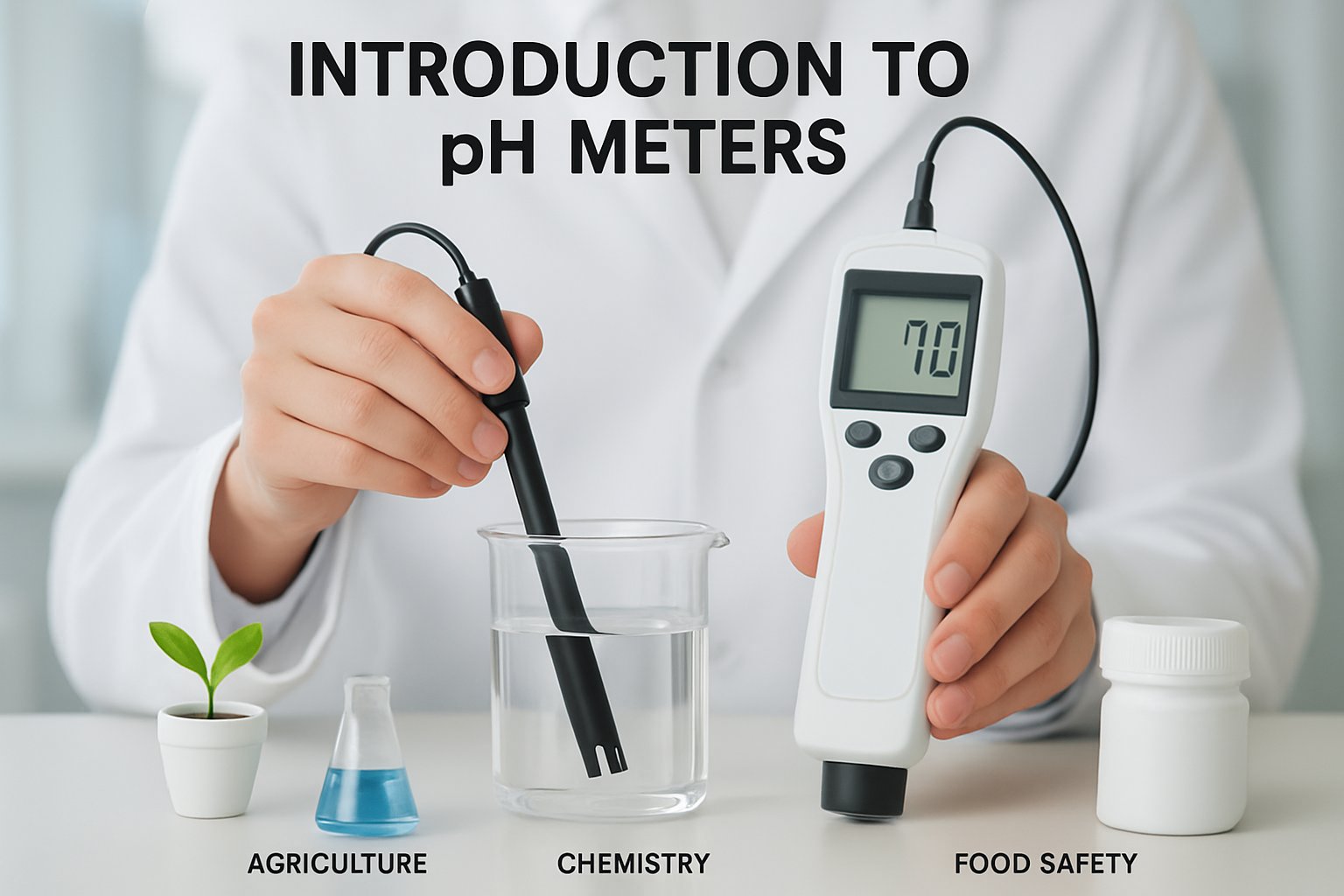
Before you compare models, get clear on what a pH meter does and why it matters across industries. Understanding basics helps you decide on accuracy, calibration needs, and probe types. This foundation reduces returns and speeds setup.
What is a pH Meter?
A pH meter measures how acidic or basic a solution is. It uses an electrode to detect voltage differences. The instrument translates that voltage into a pH value instantly. This process ensures precise readings that are essential for various applications, from laboratory experiments to industrial processes. By providing real-time data, pH meters help users make informed decisions quickly and efficiently.
Importance in Various Industries
You rely on pH to control quality, safety, and compliance. It affects yields, taste, corrosion, and sanitation. Accurate readings reduce waste and repeat work. In fields like agriculture, maintaining the right pH levels can optimize crop growth and prevent nutrient deficiencies. Similarly, in manufacturing, consistent pH monitoring ensures product consistency and meets regulatory standards effectively.
Types of Meters
Different meter formats fit different workflows. You choose based on mobility, accuracy targets, and data handling. Decide first, then filter models efficiently. Exploring these types will help you align the device with your specific needs in Malaysia, where local support and availability play key roles.
Portable pH Meters
Portable meters are compact and rugged. You can test on-site without carrying samples back. Battery life, IP rating, and quick calibration matter most. These devices are ideal for fieldwork in varying environments, such as testing soil or water samples directly in the field. Their portability reduces the time spent on sample transportation, allowing for immediate adjustments and faster decision-making processes.
Benchtop pH Meters
Benchtop units deliver higher stability and precision. You get advanced features like multi-point calibration and data logging. They suit labs, QA rooms, and training benches. In a controlled laboratory setting, these meters provide reliable results for repeated measurements, which is crucial for research and quality assurance. Additionally, their robust design ensures longevity and consistent performance over time.
ORP Meters
ORP meters measure oxidation-reduction potential. You use them for disinfection checks and process monitoring. They complement pH in water treatment and sanitation. Understanding ORP values helps in assessing the effectiveness of sanitizing agents in pools or wastewater systems. This measurement is vital for maintaining hygiene standards and preventing contamination in various industrial applications.
Combination pH/ORP Instruments
Combo units measure pH and ORP in one device. They save bench space and calibration time. Choose them when workflows require both parameters. These instruments streamline operations by reducing the need for multiple devices, which can save costs and simplify maintenance routines. In busy environments like food processing plants, they offer efficiency without compromising on accuracy.
Applications
Match the meter to your primary application for best results. Consider sample type, temperature range, and regulatory needs. Then lock in the right probe and buffer set. In Malaysia, where diverse industries rely on precise measurements, selecting the appropriate application ensures compliance and optimal performance.
Soil Testing
Soil pH influences nutrient availability. You can test field moisture samples or slurries. Use a spear or flat-surface probe for better contact. Accurate soil testing helps farmers adjust pH levels to enhance plant growth and yield. Regular monitoring can prevent issues like nutrient lockout, leading to healthier crops and more sustainable farming practices in regions like Malaysia.
Water Quality Analysis
Water treatment demands stable readings. You should pair pH with ORP for disinfection tracking. Temperature compensation improves consistency across sites. This analysis is critical for ensuring safe drinking water and effective wastewater management. In Malaysia, where water quality standards are stringent, using reliable pH testers helps meet regulatory requirements and protect public health.
Food and Beverage Industry
pH controls flavor, texture, and safety. You need food-safe probes and easy sanitation steps. Fast calibration reduces downtime on production lines. Maintaining optimal pH levels prevents spoilage and ensures consistent product quality. In Malaysia’s growing food sector, these meters support compliance with food safety regulations and enhance overall production efficiency.
Laboratory Use
Labs require high accuracy and traceability. Multi-point calibration and GLP data help audits. Benchtop systems simplify repeated measurements. These features make laboratory work more reliable and efficient, supporting scientific research and development. In educational and professional labs across Malaysia, such equipment fosters innovation and precise experimentation.
Filters
Using desktop filters lets you narrow choices fast. Start with brand support, then price, type, and accuracy. This order saves time and reduces rework. By applying these filters thoughtfully, you can find a pH tester that perfectly matches your requirements in the Malaysian market.
When considering brands like Hanna, Horiba, or Eutech, focus on those with easier service and parts availability in Malaysia, as this ensures long-term reliability and quick repairs. Price ranges, such as under RM200 for basic models, RM200–RM800 for mid-range options with added features, or over RM800 for high-end devices, help balance essential features with your budget constraints. Types including portable, benchtop, or combo meters should fit your mobility needs and workflow demands, while accuracy levels like ±0.05, ±0.01, or ±0.002 pH are crucial for tasks ranging from general quality assurance to precise laboratory work.
By Brand
Shortlist brands with local calibration fluids. Check warranty terms and probe availability. Prefer channels offering responsive technical support. In Malaysia, selecting a brand with strong local presence can minimize downtime and ensure easy access to accessories. This approach not only enhances the usability of your pH meter but also provides peace of mind through reliable after-sales service.
By Price Range
Under RM200 suits basic checks. RM200–RM800 adds stability and logging. Above RM800 targets precision and durability. Choosing the right price range allows you to invest in features that match your usage frequency and requirements. For instance, budget options are great for occasional users, while premium models offer advanced capabilities for professional settings in Malaysia.
By Type
Choose portable for field and quick tests. Pick benchtop for precise, repeated runs. Select combo if you need ORP too. Each type caters to specific scenarios, ensuring efficiency in diverse applications like agriculture or laboratory research. In Malaysia’s varied climates, portable types provide flexibility for on-the-go testing without sacrificing accuracy.
By Accuracy Level
±0.05 pH works for trends. ±0.01 pH supports most QA tasks. ±0.002 pH is for critical lab work. Selecting the appropriate accuracy ensures your measurements are reliable for the intended purpose. This precision is especially important in industries where small variations can impact outcomes, such as in water treatment facilities across Malaysia.
Popular Searches
These searches reflect common needs in Malaysia. Use them to benchmark features quickly. Then open a comparison view on desktop. Popular queries often highlight trending concerns in pH testing, helping users stay informed about the best options available locally.
Best pH Meter for Soil Malaysia
Look for rugged bodies and spear probes. Ensure easy calibration in humid conditions. Check local buffer availability and support. These features make soil testing more efficient in Malaysia’s tropical climate, where humidity can affect readings. Reliable models help farmers optimize soil conditions for better crop yields and sustainable agriculture practices.
Digital pH Tester for Water
Seek automatic temperature compensation. Add ORP if you monitor disinfection. Verify IP rating for field sampling. Digital testers provide quick and accurate results, essential for maintaining water quality standards. In Malaysia, where water resources are vital, these devices support environmental monitoring and public health initiatives effectively.
Affordable ORP Instruments
Focus on stable ORP electrodes. Ensure replaceable probes to cut costs. Confirm simple, one-point ORP calibration. Affordable options make advanced monitoring accessible to smaller operations without compromising quality. In various Malaysian industries, such instruments aid in efficient process control and compliance with safety regulations.
Related Links
When comparing, you may consult calibration, maintenance, and product overview resources. These topics help you reduce errors and downtime. They also clarify upgrade paths. Accessing these resources can enhance your understanding and ensure you’re making the most informed choice for your pH testing needs in Malaysia.
Calibration Guides
Follow fresh buffers and correct temperatures. Use two or three points for accuracy. Recalibrate whenever readings drift. Proper calibration techniques extend the life of your pH meter and maintain measurement reliability. In Malaysia, where environmental factors vary, regular calibration is key to consistent performance across different applications.
Maintenance Tips
Rinse probes with distilled water. Store pH probes in proper solution. Replace junctions or caps when performance drops. Consistent maintenance prevents common issues like electrode contamination and ensures long-term accuracy. For users in Malaysia, following these tips can significantly reduce repair costs and downtime in demanding environments.
What Types of Meters Are There?
Portables suit quick checks anywhere. Benchtops excel in controlled environments. Combo units reduce tool changes. Understanding these types helps in selecting the right tool for your workflow. In Malaysia’s diverse sectors, from labs to fields, choosing appropriately enhances productivity and measurement precision.
Categories
Group products by how and where you use them. This speeds your decision process. It also simplifies future upgrades. Categorizing helps streamline the selection of pH testers tailored to specific Malaysian industry needs.
Handheld Testers
They fit pockets and toolbags. You get quick startup and simple buttons. Great for daily spot checks. Handheld testers offer convenience for professionals on the move, such as field technicians in agriculture or environmental monitoring. Their user-friendly design makes them accessible even for beginners in Malaysia’s varied testing scenarios.
Professional Lab Equipment
Expect high precision and stability. Labs benefit from advanced calibration. Data logging supports audits and reviews. This equipment is indispensable for research institutions and quality control labs seeking reliable results. In Malaysia, investing in professional-grade tools ensures compliance with international standards and fosters scientific advancement.
Industrial Sensors
Inline probes serve continuous processes. You can integrate with controllers easily. Maintenance schedules keep uptime high. Industrial sensors provide real-time monitoring in manufacturing settings, helping to maintain process efficiency. In Malaysia’s industrial landscape, these sensors contribute to optimized operations and reduced operational disruptions.
Related Products
Here is a simple, step-by-step way to map needs to example models. Match accuracy, durability, and support. Then check price and accessories. Exploring related products can guide you toward comprehensive solutions that enhance your pH testing capabilities in Malaysia.
Top-Rated pH Meter Model A
Delivers ±0.01 pH accuracy consistently. Offers multi-point calibration and logging. Ideal for QA benches and training. This model stands out for its reliability in professional settings, making it a favorite among lab technicians. Users in Malaysia appreciate its robust features that support detailed data analysis and long-term use.
Budget-Friendly Tester Model B
Good for quick, routine checks. Simple interface reduces learning time. Replacement probes keep costs predictable. This tester is perfect for small businesses or educational purposes where budget is a concern. In Malaysia, it provides an entry point to reliable pH measurement without overwhelming expenses.
Advanced ORP Device Model C
Stable ORP readings for treatment lines. Strong build suits harsh sites. Data output supports compliance reviews. Designed for demanding environments, this device ensures accurate monitoring in water treatment facilities. Malaysian users benefit from its durability and integration capabilities in industrial applications.
Summary of Recommendations
Decide on type, then accuracy, then brand. Confirm service, calibration fluids, and warranty support. Finally, compare side-by-side and explore more options as your needs grow. Following this approach ensures you select a pH tester that meets current demands and scales with future requirements. In Malaysia, prioritizing local support enhances overall satisfaction and efficiency.